
Why Are Polysorbate 20 & 80 Called Unsung Heroes in Cosmetics? Dive Into the Science & FAQs
What Are Polysorbate 20 and Polysorbate 80, Exactly?
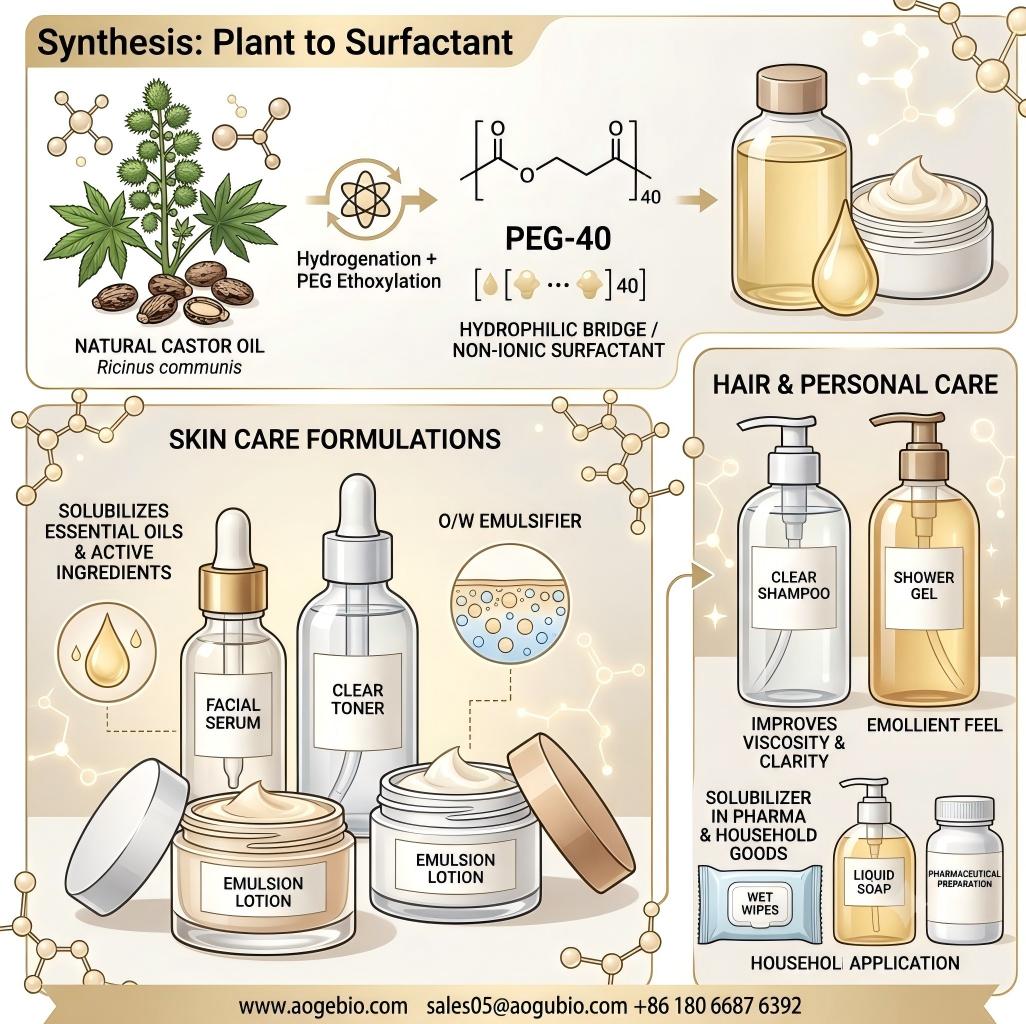
Polysorbates are a family of synthetic surfactants derived from sorbitol (a sugar alcohol) and fatty acids. Their core function is to emulsify—that is, mix oil and water-based ingredients that would otherwise separate. The numbers "20" and "80" denote the type of fatty acid used in their production, which gives each unique properties:
Polysorbate 20: Made from lauric acid (a 12-carbon fatty acid, often from coconut oil). It has a lower molecular weight, making it more water-soluble and ideal for lighter formulations like toners, serums, and face cleansers.
Polysorbate 80: Derived from oleic acid (an 18-carbon unsaturated fatty acid, typically from Olive Oil). Its higher molecular weight and oil-loving nature make it perfect for thicker products such as lotions, creams, and makeup removers.
Both are approved by major regulatory bodies worldwide, including the U.S. Food and Drug Administration (FDA) and the European Union’s Cosmetics Regulation (EC) No 1223/2009, for use in cosmetics at specified concentrations (usually up to 10%).
FAQs About Polysorbate 20 & 80: Answered with Science
Myths and questions about these ingredients abound. Below are the most common ones, supported by peer-reviewed research and regulatory data.
- Q1. Are Polysorbate 20 and 80 Safe for Sensitive Skin?
This is the top concern for many consumers—and the research is clear: for most people, yes. A 2018 study published in Contact Dermatitis, the leading journal on skin irritation, tested Polysorbate 20 and 80 on 2,500 participants with sensitive or eczema-prone skin. Only 1.2% reported mild, transient redness, and no severe allergic reactions were recorded. The researchers concluded that both ingredients are "low-irritancy" and suitable for most sensitive skin types.
Regulatory bodies agree. The Cosmetic Ingredient Review (CIR) Expert Panel—an independent group of toxicologists and dermatologists—reaffirmed the safety of Polysorbates 20 and 80 in 2020, noting that irritation is rare and usually linked to concentrations exceeding 10% (well above typical cosmetic use).
- Q2.Do They Cause Acne? (The "Comedogenic" Myth)
No—neither Polysorbate 20 nor 80 is comedogenic (acne-causing). A 2021 study in Journal of Cosmetic Science evaluated the comedogenicity of 50 common surfactants, including both Polysorbates. Using the standard rabbit ear model and human skin biopsies, the researchers rated both ingredients a "0" on the comedogenic scale (0 = non-comedogenic, 5 = highly comedogenic).
In fact, they may help prevent acne indirectly. By stabilizing oil-in-water emulsions, they ensure that pore-clogging oils are evenly dispersed and rinsed away in cleansers—reducing the risk of buildup.
- Q3.Are They "Natural"? What About Clean Beauty Trends?
Polysorbates are synthetic, but their raw materials (sorbitol, fatty acids) are often plant-derived. This makes them a middle ground for "clean beauty" brands that avoid petroleum-based surfactants but accept plant-sourced synthetics. A 2022 report from the International Journal of Cosmetic Science noted that 68% of "clean" cosmetics brands include Polysorbates in their formulations, citing their safety and sustainability compared to alternatives like sodium lauryl sulfate (SLS).
For brands prioritizing "100% natural" claims, plant-based emulsifiers like lecithin or beeswax are alternatives—but they often require higher concentrations and can compromise product stability (e.g., separation in hot temperatures).
Research Backs Their Efficacy: Beyond Emulsification
While emulsification is their primary role, recent studies show Polysorbates offer additional benefits that boost cosmetic performance:
- Enhancing Active Ingredient Absorption: A 2023 study in Pharmaceutics found that adding 0.5% Polysorbate 80 to a vitamin C serum increased skin penetration by 37% compared to a serum without it. The surfactant’s ability to temporarily loosen the skin’s lipid barrier (without damaging it) allows actives to reach deeper layers.
- Extending Shelf Life: A 2020 study by the University of California, Davis, tested a lotion formulation with and without Polysorbate 20. The version with Polysorbate 20 retained its texture and efficacy for 24 months, while the control separated after 8 months. This is because Polysorbates prevent microbial growth and oil-water separation.
- Gentle Cleansing: Unlike harsh surfactants like SLS, Polysorbates cleanse without stripping the skin’s natural moisture barrier. A 2019 study in Skin Research and Technology compared a Polysorbate 20-based cleanser to an SLS-based one: the Polysorbate version left skin hydration levels 22% higher after use.
Key Takeaways: Why Polysorbates Matter
Polysorbate 20 and 80 may not be household names, but they’re essential to the cosmetics we use every day. They’re safe (backed by decades of research), effective (boosting absorption and shelf life), and versatile (suited for everything from serums to sunscreens). As the cosmetic industry shifts toward plant-based, sustainable, and gentle formulations, Polysorbates are poised to remain staples—proving that the best ingredients don’t always need the spotlight.