
Squalene: The Ultimate Moisturizing Ingredient for Glowing Skin
What Is Squalene?
Squaleneis a naturally occurring triterpenoid hydrocarbon with the chemical formula C30H50, classified as a lipid due to its oily, hydrophobic nature. It is a fundamental component of human sebum—the waxy, protective substance produced by sebaceous glands—accounting for approximately 13% of its composition. This natural presence in the skin is what makes Squalene uniquely compatible with human biology, as it mimics the skin's own oils and integrates seamlessly into the skin barrier.
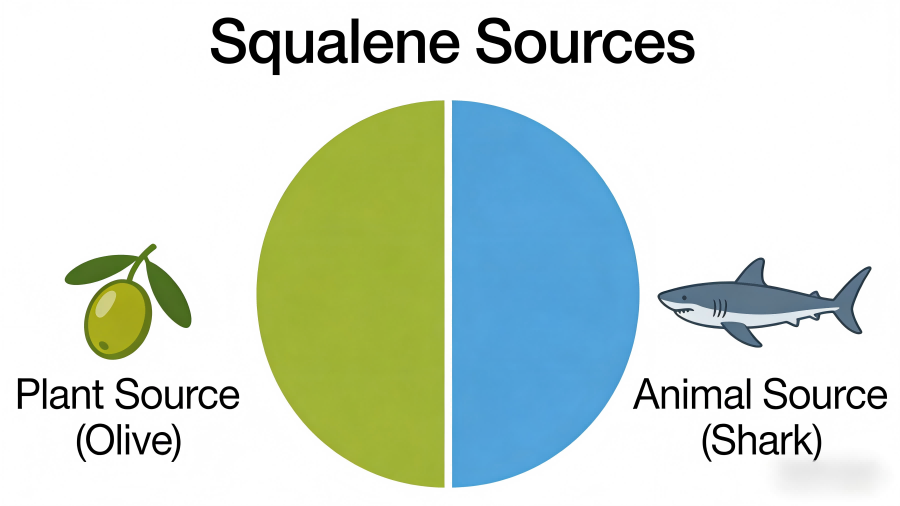
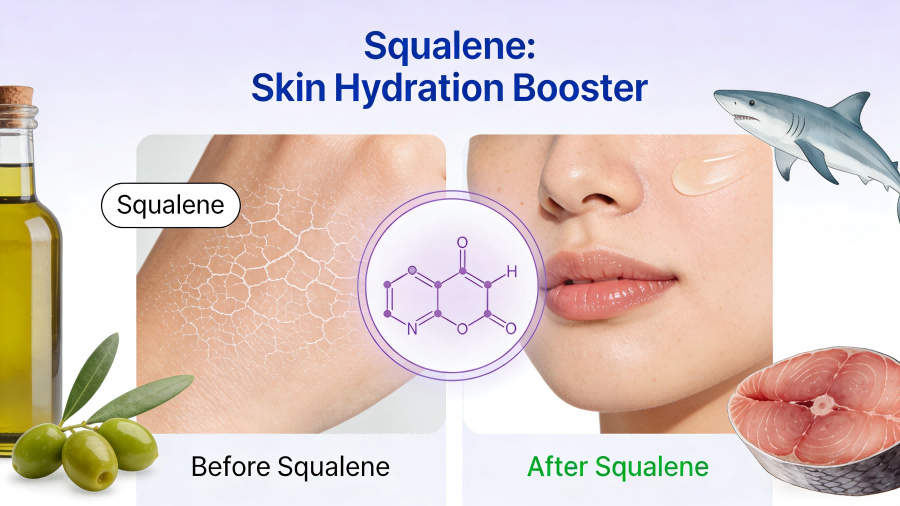
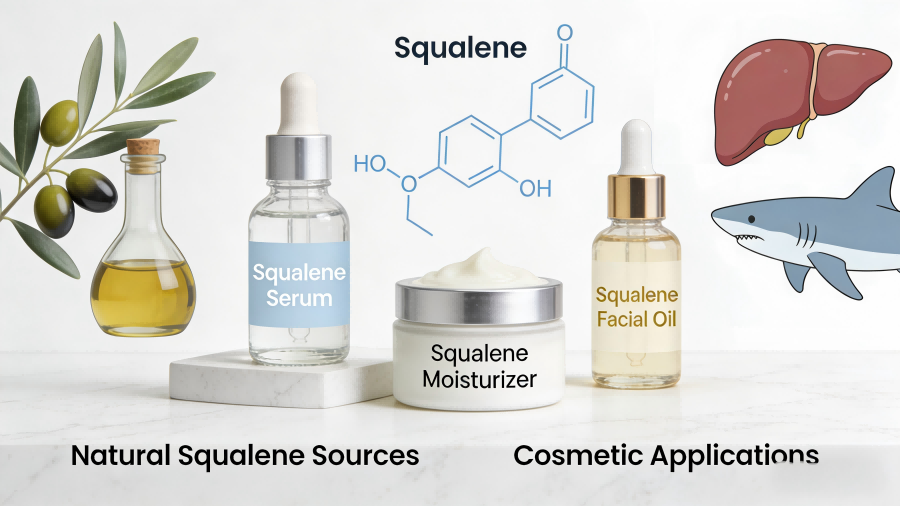
Historically, squalenewas primarily extracted from shark liver oil, but growing environmental and ethical concerns have driven the development of sustainable alternatives. Today, the majority of squalene used in cosmetics is derived from plant sources such as Olive Oil, rice bran oil, amaranth oil, and even sugarcane through bio-fermentation technology. A key distinction in cosmetic formulations is the conversion of squalene to squalane—a saturated, more stable derivative—through a hydrogenation process. Squalene in its natural unsaturated form is prone to oxidation when exposed to air, which can reduce its shelf life and efficacy. Hydrogenation eliminates these unstable double bonds, resulting in squalane, a odorless, colorless, and highly stable compound that retains all of squalene's beneficial properties while offering superior longevity in products.
Key Benefits of Squalene: Why It’s the Ultimate Moisturizer
- Deep, Long-Lasting Hydration and Barrier Repair
The primary role of squalene is to enhance the skin’s moisture retention capabilities. As an emollient, it softens and smooths the skin by filling in gaps between skin cells, while its occlusive properties create a breathable protective film on the skin’s surface. This film prevents transepidermal water loss (TEWL)—the process by which moisture evaporates from the skin into the environment—effectively locking in hydration for extended periods.
- Skin Compatibility and Non-Comedogenicity
Unlike many heavy oils that can clog pores and cause breakouts, squalene is non-comedogenic, meaning it does not block hair follicles. Its molecular structure—similar to human sebum—allows it to be rapidly absorbed by the skin without leaving a greasy residue. This makes it suitable for all skin types, including oily, acne-prone, and sensitive skin. Research has confirmed that squalene is well-tolerated by sensitive skin and is less likely to cause irritation compared to other common skincare ingredients.
- Antioxidant Protection Against Premature Aging
Squalene also offers antioxidant benefits, helping to neutralize free radicals—unstable molecules caused by UV radiation, pollution, and other environmental stressors that damage skin cells and contribute to premature aging. A study published in the Journal of Agricultural and Food Chemistry found that while pure squalene has weak antioxidant activity on its own, plant extracts containing squalene (such as amaranth extract) exhibit enhanced antioxidant effects due to the presence of complementary compounds like tocotrienols
- Synergistic Enhancement of Other Active Ingredients
In cosmetic formulations, squalene acts as a "carrier" ingredient, enhancing the absorption and efficacy of other active components such as vitamins A, C, E, and niacinamide. Its oily nature helps these ingredients penetrate deeper into the skin, rather than remaining on the surface. For example, when combined with vitamin C, squalene can boost its delivery to skin cells, improving its ability to fade dark spots and promote even skin tone.
Applications of Squalene in the Cosmetics Industry
- Moisturizers and Facial Creams
Moisturizers are the most common application of squalene. It is a key ingredient in both lightweight and rich creams, providing immediate hydration and long-term barrier support. Formulations containing squalene are particularly popular in dry skin and anti-aging products, as they address dryness and fine lines simultaneously.
- Facial Serums and Oils
Squalene is a staple in facial serums and facial oils, where its lightweight texture and rapid absorption make it ideal for targeted hydration. These products often contain high concentrations of squalene (5-10%) to deliver intense moisture and barrier repair. They are particularly beneficial for post-cleansing hydration, as they help replenish lipids stripped away by cleansers.
- Sun Care Products
Given its antioxidant properties and ability to protect against UV-induced oxidative damage, squalene is increasingly used in sunscreens and after-sun products. It helps soothe sun-exposed skin, reduce redness, and replenish moisture lost due to UV radiation. Research has shown that combining squalene with antioxidants that quench singlet oxygen can significantly enhance its protective effects against sun damage.
- Makeup and Cosmetics
Squalene is also used in makeup products such as foundations, concealers, and lipsticks. It improves the spreadability of these products, creates a smooth, dewy finish, and prevents makeup from drying out the skin. In lipsticks, it provides hydration and prevents chapping, while in foundations, it helps the product adhere to the skin without caking.
- Post-Procedure Skincare
Due to its gentle, non-irritating nature and barrier-repairing benefits, squalene is commonly found in post-procedure skincare products. It helps soothe irritated skin, reduce inflammation, and accelerate the healing process by replenishing the damaged skin barrier.
The Future of Squalene in Skincare: Sustainability and Innovation
As the demand for clean, sustainable skincare ingredients continues to grow, the future of squalene lies in advanced bio-fermentation technologies. According to market data, bio-fermented squalene already accounts for 62% of the global market, and this share is expected to rise to 75% by 2026. These technologies offer several advantages: they are more environmentally friendly, produce higher-purity squalene, and avoid the ethical concerns associated with shark liver extraction.
Conclusion
Squalene stands out as the ultimate moisturizing ingredient due to its unique combination of skin compatibility, deep hydration, barrier repair, and antioxidant protection. Its natural presence in human sebum makes it universally compatible with all skin types, while its sustainable plant and bio-fermented sources align with modern consumer values. Backed by authoritative research, squalene has become a cornerstone of cosmetic formulations, from moisturizers to sunscreens, offering tangible benefits for glowing, healthy skin.
- Name: Yuki
- E-mail: sales02@nahanutri.com
- WhatsApp:+8618066950297