Leave Your Message

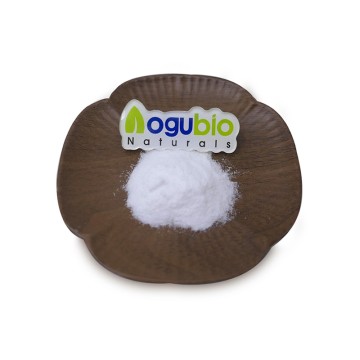
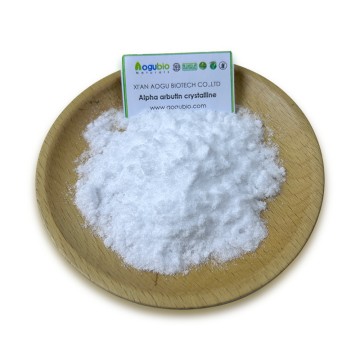
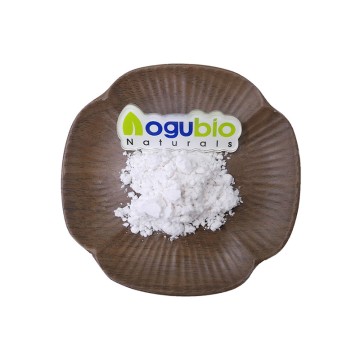
Beta-Arbutin For Hyperpigmentation And Dark-Spot Skincare

Advanced Formulation Science, Industrial Trends, and AI-Driven Cosmetic Solutions for Flawless Skin

The Science of Hyperpigmentation & Beta-Arbutin

🧬 Understanding the Biochemical Mechanism

Hyperpigmentation, characterized by the darkening of an area of skin or nails, is primarily caused by increased melanin synthesis. This biological process, known as melanogenesis, is triggered by various intrinsic and extrinsic factors, including ultraviolet (UV) radiation, hormonal fluctuations (such as melasma during pregnancy), post-inflammatory hyperpigmentation (PIH) from acne, and chronological aging. At the core of melanogenesis lies tyrosinase, a copper-containing enzyme responsible for catalyzing the first two steps of melanin production: the hydroxylation of L-tyrosine to L-DOPA and the subsequent oxidation of L-DOPA to dopaquinone.

Beta-Arbutin (β-Arbutin), a naturally occurring glycosylated hydroquinone found in the leaves of the bearberry plant (Arctostaphylos uva-ursi), cranberries, and blueberries, has emerged as a cornerstone ingredient in the dermatological and cosmetic industries. Unlike its highly controversial counterpart, pure hydroquinone, Beta-Arbutin offers a significantly safer pharmacological profile. It functions as a competitive inhibitor of tyrosinase. By structurally mimicking L-tyrosine, Beta-Arbutin binds to the active site of the tyrosinase enzyme without altering the genetic expression of melanocytes or causing cellular toxicity (melanocytotoxicity). This targeted inhibition effectively halts the conversion pathways, thereby reducing excessive melanin accumulation, fading existing dark spots, and preventing the formation of new lentigines.

In the realm of advanced skincare formulation, Beta-Arbutin is highly valued not just for its efficacy, but for its gentleness. It provides a progressive, uniform skin-brightening effect that is highly tolerated by sensitive skin types, making it a pivotal raw material for brands focusing on clean, safe, and scientifically-backed dermatological solutions.

Tyrosinase Inhibitor Melanogenesis Bearberry Extract Skin Brightening

Commercial Status & Industrial Trends

📊 The Global Shift Towards Safe Alternatives

The global market for skin lightening and hyperpigmentation treatments is experiencing unprecedented growth, projected to reach multi-billion dollar valuations within the next decade. This surge is heavily influenced by evolving consumer demographics, particularly in the Asia-Pacific (APAC) region, where luminous, even-toned skin remains a dominant cultural beauty standard. However, the industrial landscape has dramatically shifted due to stringent regulatory frameworks. Regulatory bodies such as the European Medicines Agency (EMA), the US Food and Drug Administration (FDA), and various Asian health ministries have imposed severe restrictions or outright bans on the use of over-the-counter hydroquinone due to its association with exogenous ochronosis and potential mutagenicity.

This regulatory vacuum has catalyzed the commercial demand for highly purified, stable, and effective alternatives. Beta-Arbutin, alongside Alpha-Arbutin and Deoxyarbutin, has seamlessly filled this gap. From an industrial perspective, the manufacturing of Beta-Arbutin has evolved from simple botanical extraction to sophisticated biotechnological processes. High-yield enzymatic glycosylation and advanced fermentation techniques are now employed to produce pharmaceutical-grade Beta-Arbutin powder with purities exceeding 99.5%. This industrial scalability ensures a consistent, cost-effective supply chain for cosmetic formulators globally.

Furthermore, the commercial narrative has shifted from "skin bleaching" to "skin evening" and "radiance enhancement." Brands are leveraging Beta-Arbutin in premium anti-aging lines, recognizing that dark spots and uneven skin tone add more perceived years to a person's face than fine lines alone. The ingredient's versatility allows it to be positioned across mass-market lotions, prestige serums, and professional clinical treatments, solidifying its status as an indispensable cosmetic raw material in modern dermatology.

About Aogebio LLC

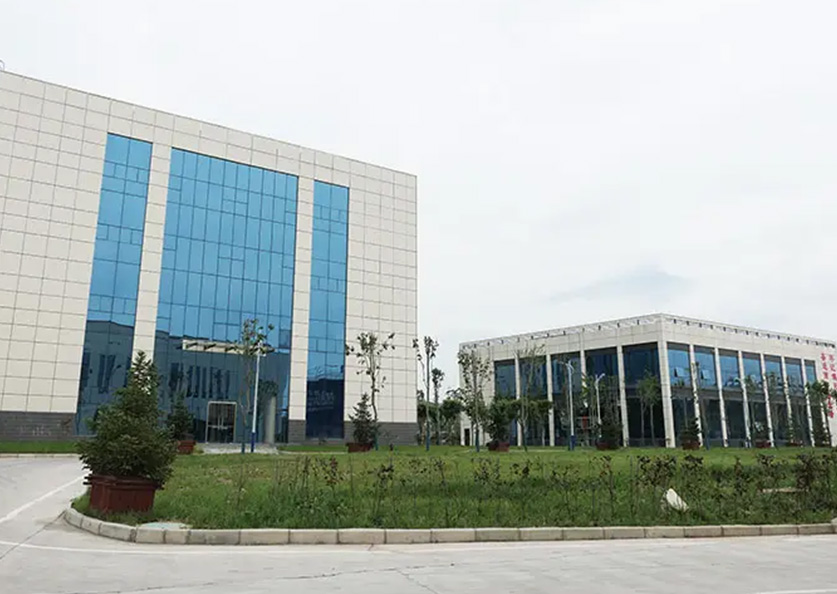
Founded in 2013 and headquartered in the prestigious high-tech zone of Xi'an, Xi'an Aoge Biotech Co., Ltd., along with its subsidiaries Xi'an Imaherb Biotech Co., Ltd. and Xi'an Nahanutri Biotech Co., Ltd., has established itself as a leading force in the cosmetics raw materials industry.

Our expansive cooperative factory, spanning 1,000 mu (approximately 165 acres), is equipped with state-of-the-art extraction technology. This advanced infrastructure allows us to manufacture a wide array of premium cosmetic raw materials. Our product line includes natural plant extracts specifically designed for organic cosmetics, as well as synthetic ingredients for high-end skincare formulations. These raw materials serve as the foundation for a multitude of skincare, haircare, and makeup products, ensuring superior quality and efficacy throughout the entire production process.

View More
21+
Years of professional experience
50
Tons of cosmetic raw materials per month
66667+
Factory total area in m²
cdhj-aboutus-play about Aogebio Cosmetic

Deep Application Scenarios & Formulation Science

⚙️ Synergistic Blends and Stability Engineering

The application of Beta-Arbutin extends far beyond simple spot treatments; it is a foundational element in complex, multi-action skincare architectures. In modern cosmetic chemistry, formulating with Beta-Arbutin requires a deep understanding of its physical and chemical properties. While it is generally stable, Beta-Arbutin can undergo hydrolysis under extreme pH conditions, reverting to hydroquinone. Therefore, formulators must meticulously buffer products to maintain a pH range of 5.0 to 7.0, ensuring long-term product safety and efficacy.

Synergistic Application Scenarios: The true power of Beta-Arbutin is unlocked when combined with other dermatological actives. For comprehensive hyperpigmentation treatment, formulators frequently design "cocktail serums."

  • Beta-Arbutin + Vitamin C (Ascorbic Acid): Vitamin C acts as a potent antioxidant, neutralizing free radicals that trigger melanogenesis, while Beta-Arbutin directly inhibits tyrosinase. Together, they provide a dual-pathway approach to skin brightening.
  • Beta-Arbutin + Niacinamide (Vitamin B3): While Beta-Arbutin stops the production of melanin, Niacinamide prevents the transfer of melanosomes (melanin-carrying vesicles) from melanocytes to the surrounding keratinocytes. This combination is highly effective for post-acne marks and melasma.
  • Beta-Arbutin + Alpha Hydroxy Acids (AHAs): Incorporating gentle exfoliants like Lactic Acid or Glycolic Acid accelerates cellular turnover, shedding pre-existing pigmented cells and enhancing the epidermal penetration of Beta-Arbutin.

Advanced formulation technologies, such as liposomal encapsulation and nano-emulsions, are increasingly utilized. By encapsulating Beta-Arbutin within lipid bilayers, cosmetic chemists can protect the molecule from oxidation, enhance its percutaneous absorption, and facilitate targeted delivery directly to the basal layer of the epidermis where melanocytes reside. This deep-tissue targeting maximizes the clinical outcomes of dark-spot reduction while minimizing the required concentration of the active ingredient.

The Future: AI-Driven Skincare & Sustainable Innovations

🤖 Artificial Intelligence in Cosmetic R&D

The intersection of Artificial Intelligence (AI) and cosmetic science is revolutionizing the way ingredients like Beta-Arbutin are researched, formulated, and prescribed. The traditional trial-and-error approach in cosmetic chemistry is rapidly being replaced by AI-driven predictive modeling. Machine learning algorithms can now analyze vast datasets of chemical structures, predicting the stability, solubility, and synergistic potential of Beta-Arbutin when mixed with thousands of other compounds. This "in-silico" formulation process drastically reduces R&D timelines and leads to the creation of hyper-optimized, highly stable skincare products.

Furthermore, AI-powered diagnostic tools are transforming consumer application scenarios. Advanced computer vision algorithms integrated into mobile applications or clinical smart-mirrors can perform deep-tissue analysis of a consumer's skin. These AI systems map the exact depth, distribution, and severity of hyperpigmentation—distinguishing between superficial sun damage and deep dermal melasma. Based on this AI analysis, personalized skincare regimens are dynamically generated, recommending precise concentrations of Beta-Arbutin tailored to the individual's unique biological profile.

Coupled with AI, the industry is heavily investing in sustainability. Future supply chains for Beta-Arbutin will rely on AI-optimized precision agriculture and green chemistry. AI systems monitor environmental factors to optimize the cultivation of bearberry plants, ensuring maximum active yield with minimal ecological impact. Alternatively, synthetic biology and precision fermentation, guided by AI genetic modeling, offer a completely sustainable, lab-grown source of pure Beta-Arbutin, ensuring that the future of dark-spot skincare is not only highly effective but also environmentally responsible.

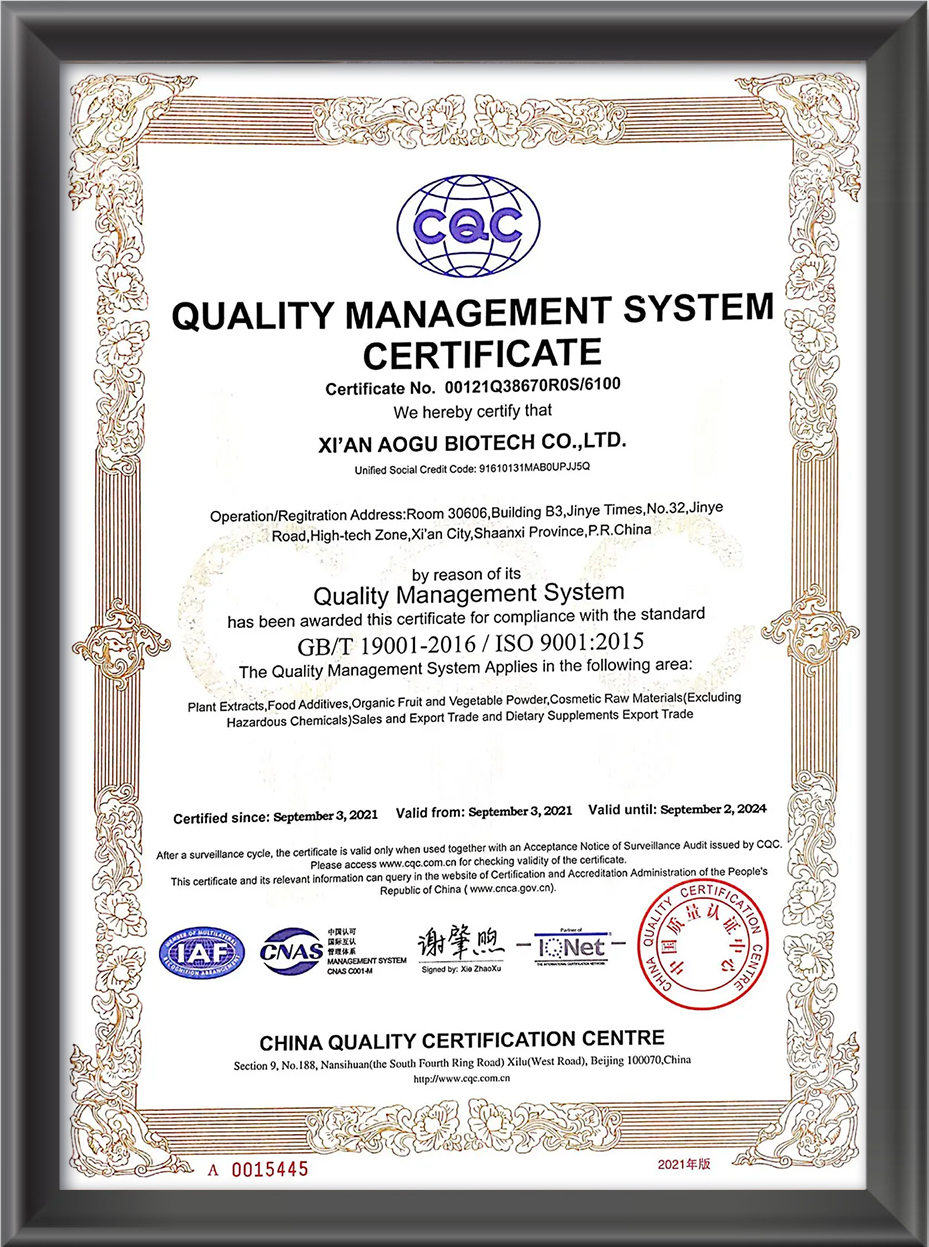
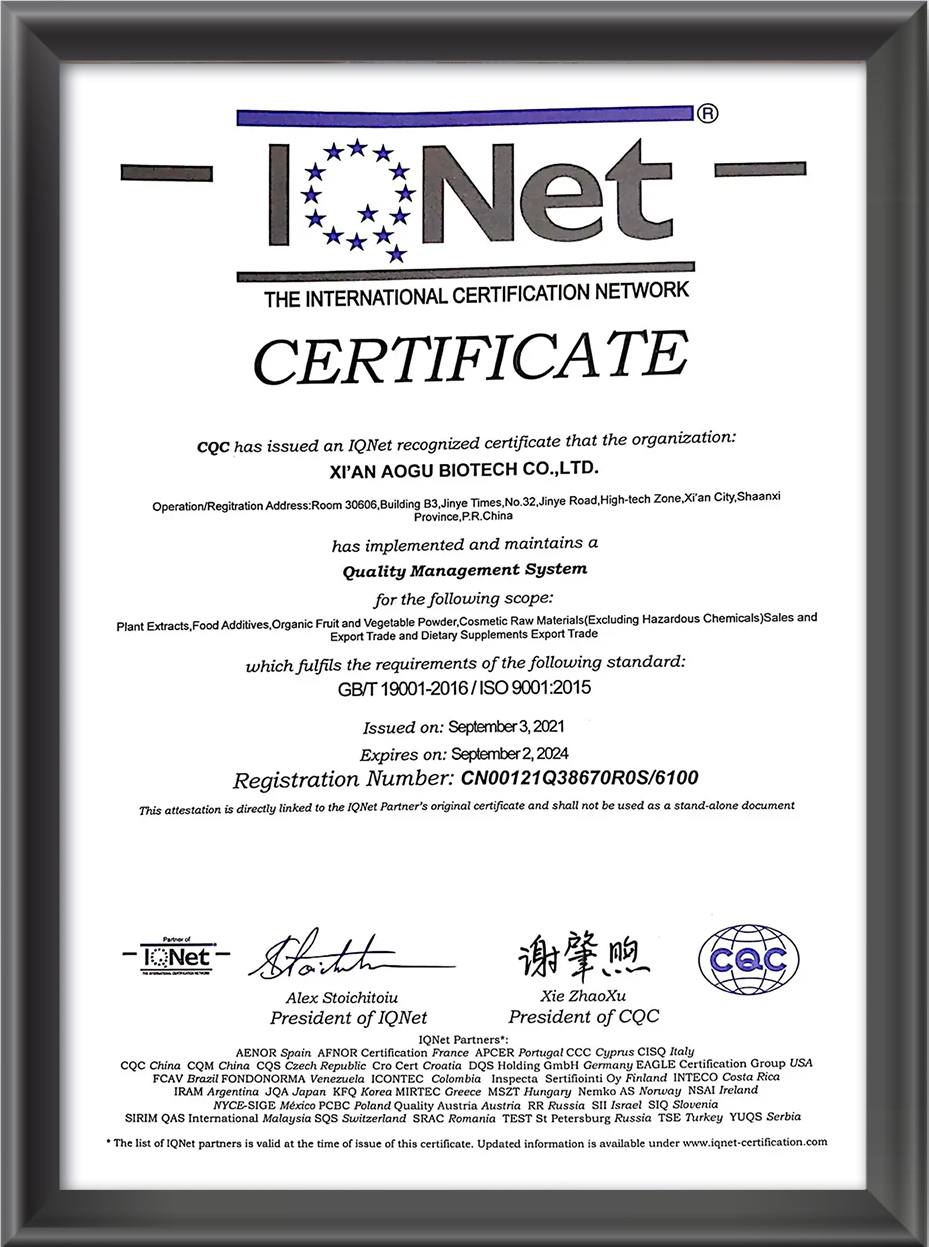
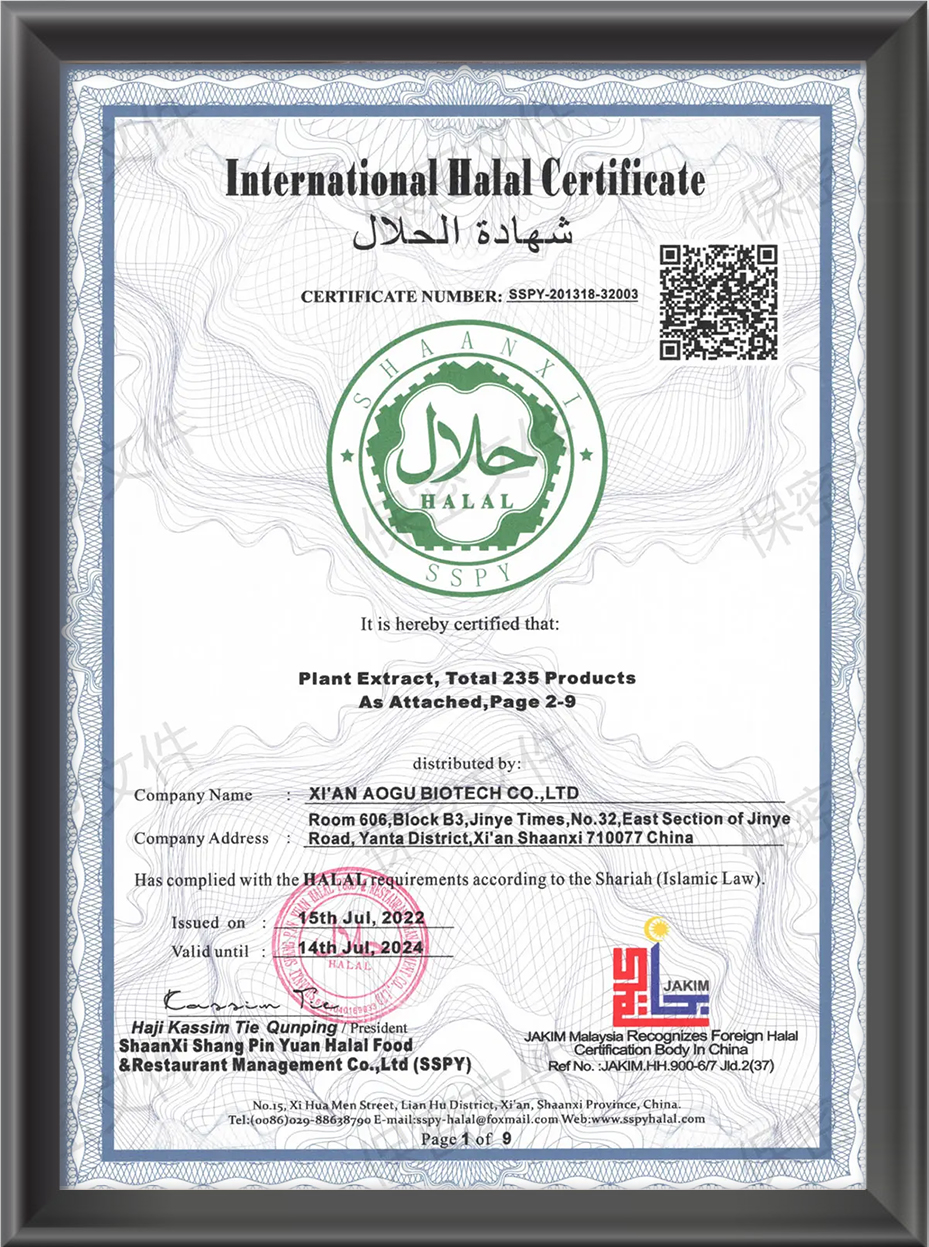
Qualifications, Honors & Packaging

Our in-house lab uses advanced instruments like UPLC, HPLC, GC-MS, ICP-MS for quality control, ensuring raw materials meet strict international standards.

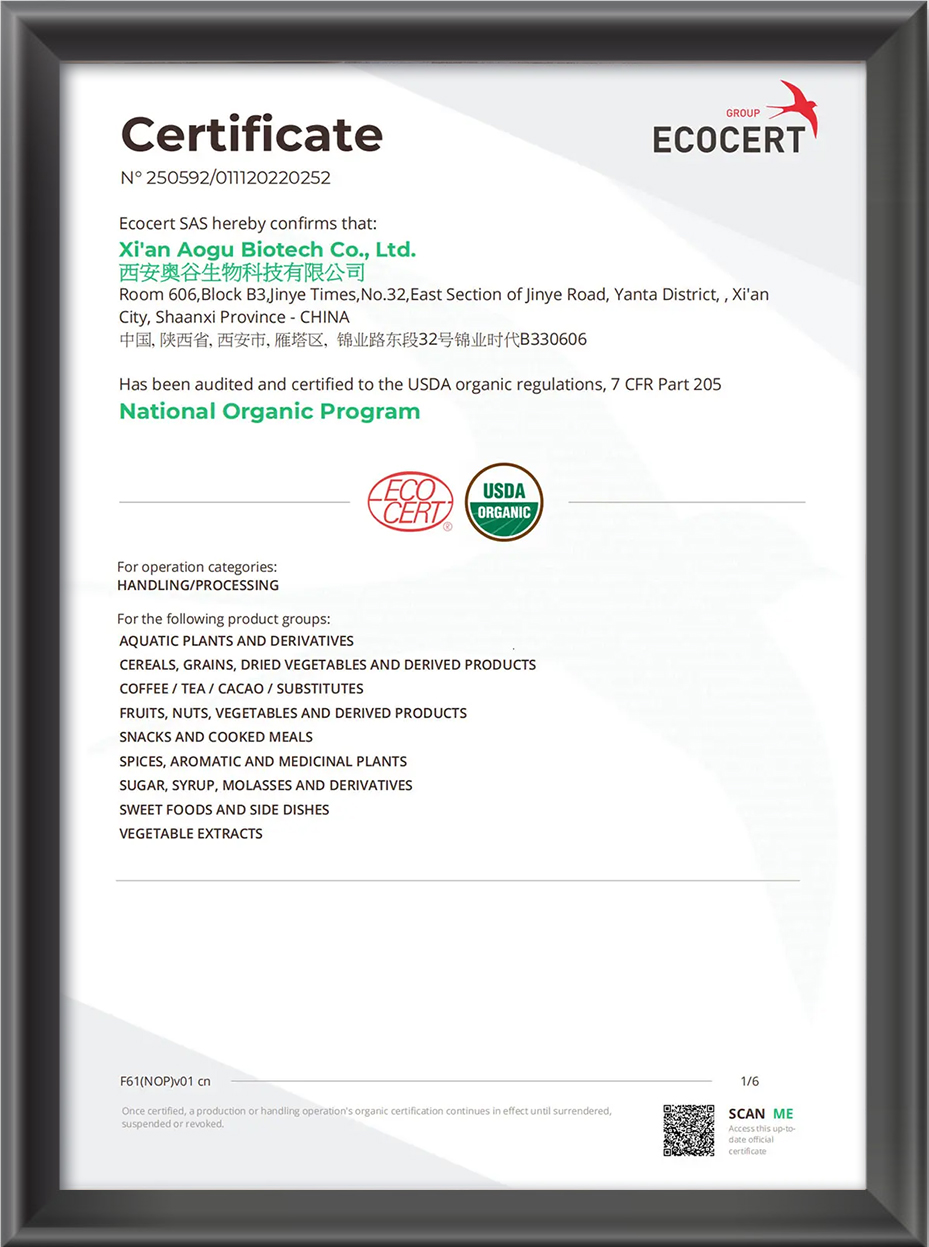
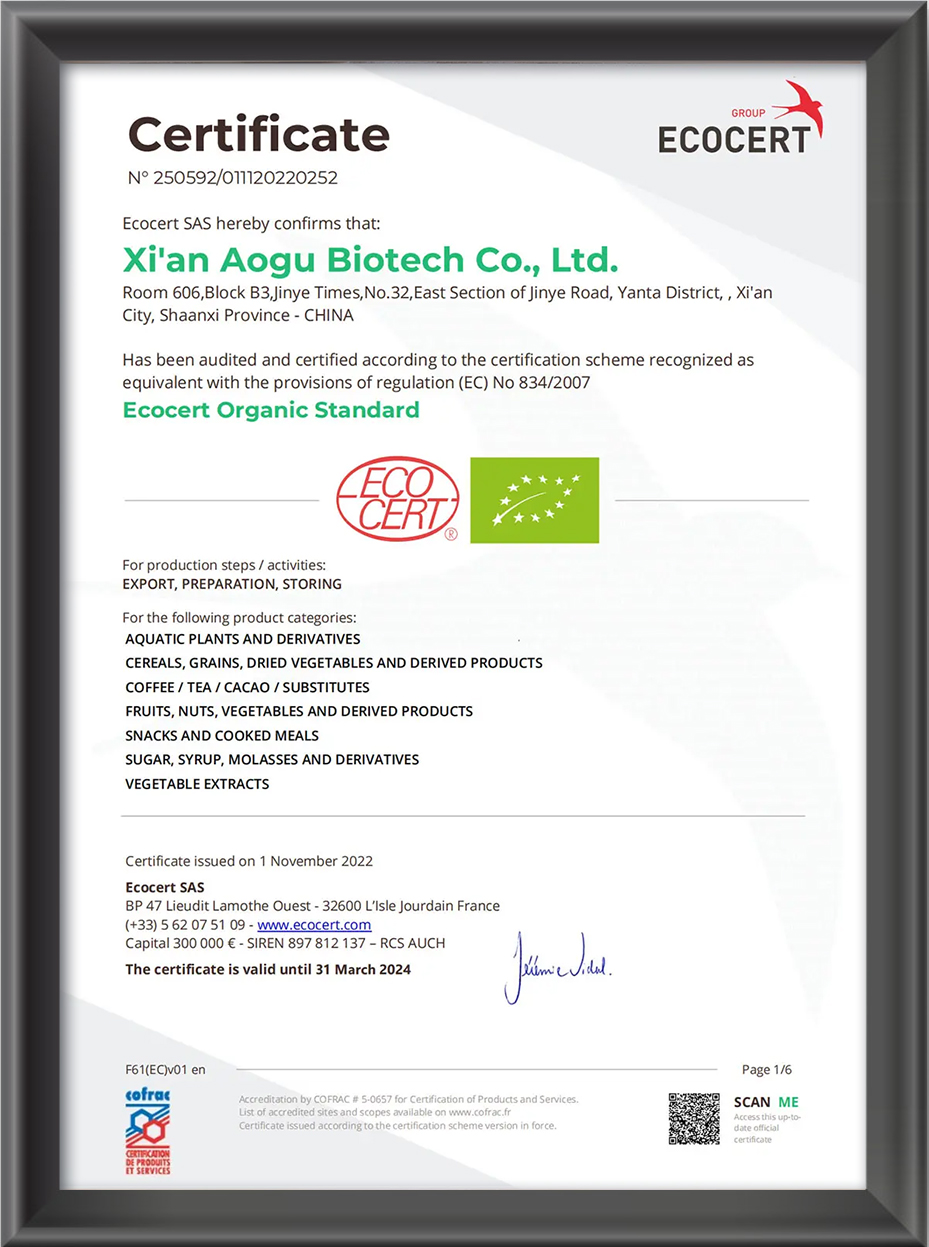
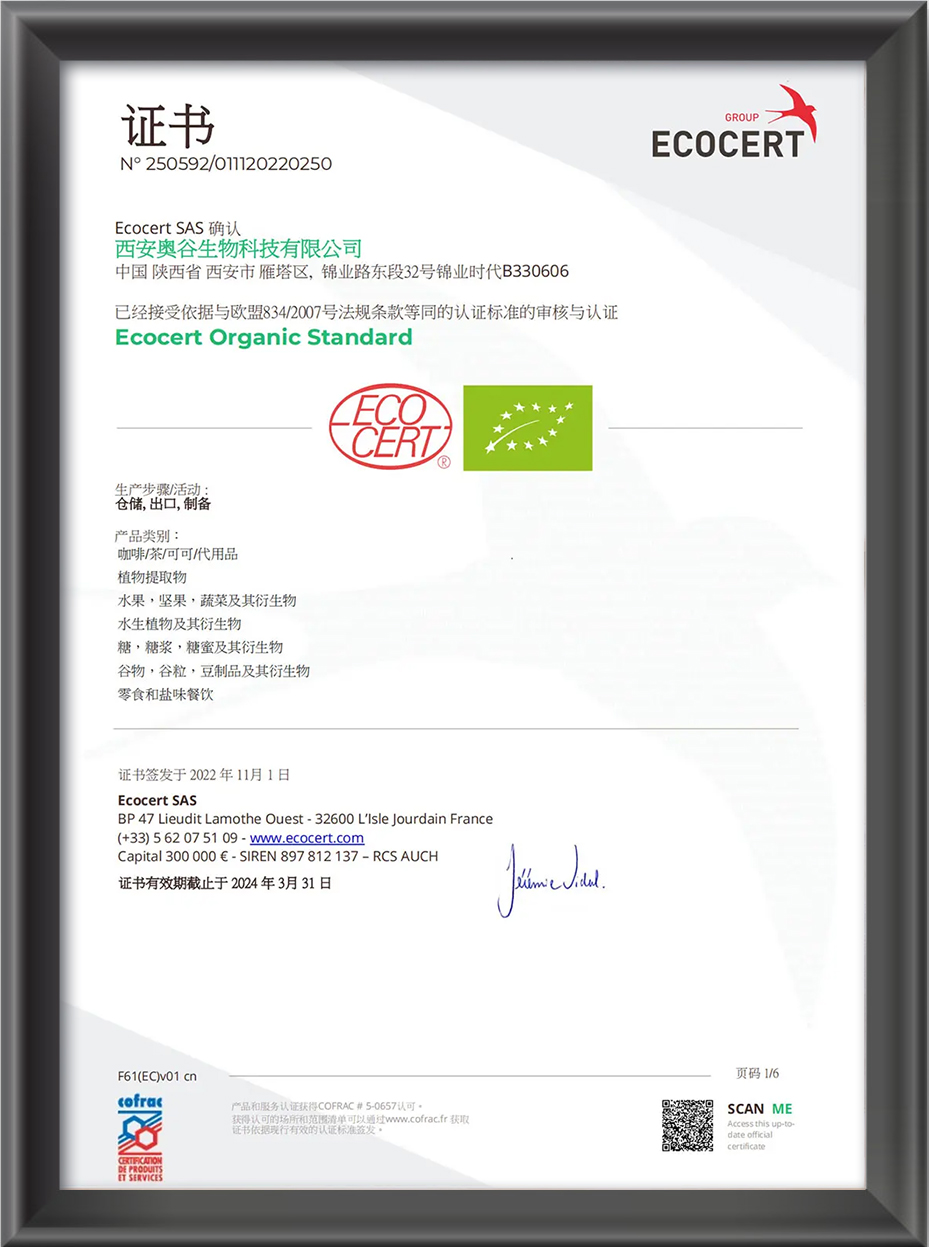
certificate1certificate2certificate3certificate4certificate5certificate6

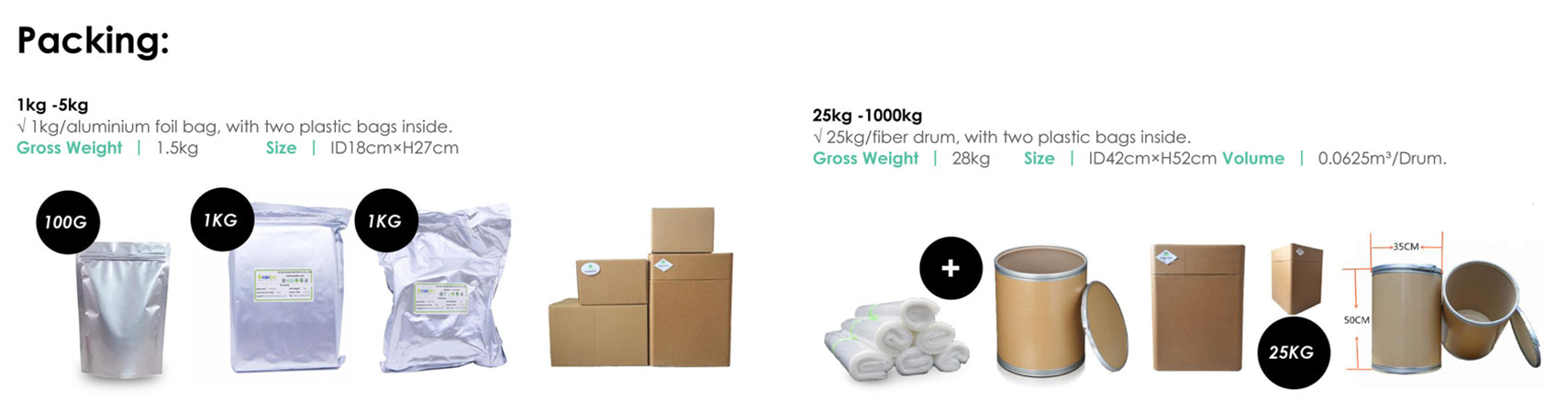
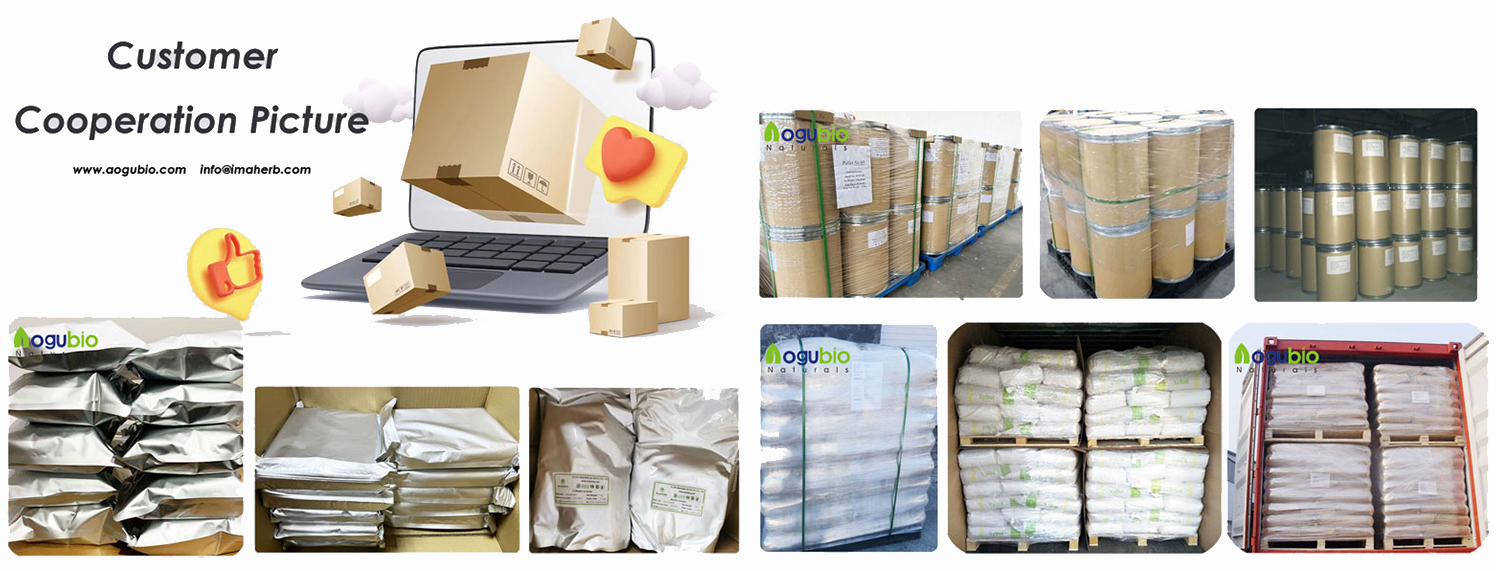
Professional Industrial Packaging

package_03package2_03package3_031

we providean unmatched level of quality and service

Get product samples